Bihar is a state of rapid economic growth and equally urgent health needs. Over the past decade the state has made measurable progress in areas such as institutional deliveries, immunization coverage, and expansion of health infrastructure — yet gaps remain in primary care access, communicable-disease control, neonatal & maternal health, and the rising tide of non-communicable diseases (NCDs). For a manufacturer-exporter and healthcare partner like Taj Pharma India Ltd., Bihar represents both a pressing humanitarian mission and a high-value opportunity to support the state’s health objectives while building sustainable supply chains and partnerships.
Below is a detailed, actionable overview of the healthcare landscape in Bihar, the major problems and disease burdens, the fiscal context, and concrete ways Taj Pharma can support the state (and local distributors, pharmacies, hospitals and public programs) to accelerate impact.
Bihar — current health snapshot (key facts)
- The State Government’s 2025–26 budget increased priority for health, allocating roughly 6.6% of total state expenditure to health — a meaningful allocation that signals room for program expansion and public-private partnership.
- Communicable, maternal, neonatal and nutritional diseases remain a substantial portion of the disease burden; diarrhoeal diseases, lower respiratory infections and neonatal disorders continue to be leading causes of death in Bihar. At the same time, NCDs (cardiovascular disease, diabetes, chronic respiratory disease and cancer) are growing contributors to morbidity and health system demand.
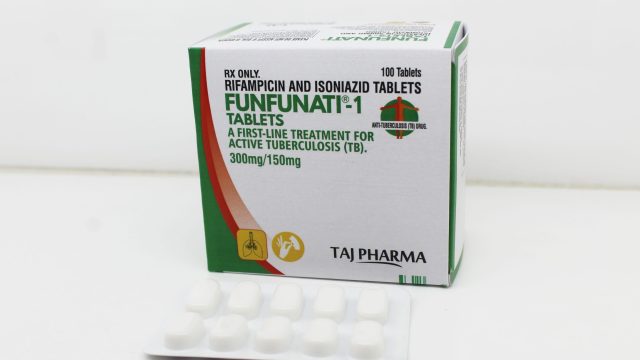
- Tuberculosis (TB) remains a high-priority public health challenge nationally and in Bihar — India’s TB program continues aggressive case-finding and treatment campaigns.
- Vector-borne outbreaks (dengue, malaria) cause seasonal surges — recent years have recorded significant spikes in dengue cases in Bihar districts during/after monsoon, straining district hospitals and diagnostics capacity.
Major health problems and their implications for supply & services
- Maternal, neonatal and child health (MNCH)
- High neonatal mortality, pockets of malnutrition, and obstetric complications demand reliable supplies: oxytocics, antibiotics, IV fluids, neonatal respiratory support consumables, ORS, therapeutic feeds, neonatal drugs and equipment maintenance. Public facilities often need steady supply chains and training for rational medicine use.
- Communicable diseases (TB, diarrheal disease, respiratory infections)
- Continuous supply of first-line & second-line anti-TB drugs, diagnostics (sputum reagents, cartridges where deployed), antibiotics, ORS, and point-of-care consumables is essential. Programmatic procurement timelines and batch documentation (COAs, stability data) matter for government tenders.
- Vector-borne diseases (Dengue, Malaria, Chikungunya)
- Seasonal surges create demand spikes for diagnostics (IgM kits), platelet-support therapies, IV fluids, and emergency medicines. Rapid procurement and emergency distribution channels are critical.
- Non-communicable diseases (NCDs)
- Growing burden of hypertension, diabetes and heart disease increases long-term demand for chronic medicines, antihypertensives, antidiabetics, statins, insulin and monitoring supplies. Public sector programs require affordable, WHO-GMP compliant products and patient adherence support.
- Health systems constraints
- Gaps in cold-chain logistics for temperature-sensitive products, uneven last-mile distribution to block/PHC level, diagnostics shortages, weak biomedical equipment maintenance, and limited capacity for pharmacovigilance and quality control in peripheral centers.
Government budget & procurement environment — what it means for suppliers
- The state’s increased health allocation (6.6% of expenditure in 2025–26) implies more resources for infrastructure, medicines and public health programs — but funds are often tied to specific programs, outcomes, and procurement cycles. Successful engagement requires: timely tender responses, full regulatory dossiers, WHO/EU GMP credentials, documentary compliance (COA, MFR, stability), and capacity for bulk supply.
Opportunities for distributors, sellers, pharmacies, hospitals and Taj Pharma
For distributors & wholesalers
- Steady demand across categories: essential antibiotics and analgesics, anti-malarials, anti-dengue supportive supplies, TB drugs, ORS, IV fluids, and an expanding list of chronic disease medicines.
- Value add: offer stock buffers for monsoon-related spikes, provide temperature-controlled transport for sensitive items, and supply program documentation (batch COA, expiry tracking) to meet government auditing requirements.
For retail pharmacies & chemists
- Private-public interface: tie-ups for government schemes (e.g., state drug distribution programs) require reliable supply of affordable generics and patient counselling materials.
- OTC & nutrition: demand for fortified ORS, therapeutic nutrition for malnourished children, and wound care supplies remains strong — pharmacies can partner with distributors for local awareness camps.
For hospitals (public & private)
- Consumables & hospital pharmacy: sustained demand for injectables, sterile IV fluids, syringes, surgical consumables, antiseptics, topical agents, and specialty products for neonatal & critical care.
- Clinical supply partnerships: hospitals need suppliers who can guarantee supply continuity, quick emergency dispatch, product traceability, and clinician education programs (on new generics, stewardship).
- Equipment & maintenance: opportunity to bundle biomedical consumables with preventive maintenance agreements and staff training.
For government programs & NGOs
- Public health campaigns: suppliers can respond to tenders for mass drug distributions, vaccination drives (cold chain support), and emergency outbreak response.
- Capacity building: partners that provide training, pharmacovigilance support, and logistics solutions score highly in government evaluations.
How Taj Pharma can support Bihar’s health mission — strategic offers and value propositions
Taj Pharma — with WHO-cGMP / EU GMP (In Pipeline) credentials, a strong R&D and regulatory track record, manufacturing at Sarigam, and a portfolio spanning generics, topical creams, ICU/ward supplies and nutrition (including egg-powder food ingredients via Taj Agro) — is well placed to be a trusted partner for Bihar. Here are practical programs and offerings Taj Pharma could implement:
1. Reliable supply of essential medicines and hospital consumables
- Provide an audited, tender-ready supply of high-volume generics: antibiotics, IV fluids, analgesics, antipyretics, anti-TB drugs, and essential cardiac/diabetes medicines.
- Offer fixed-term contracts with buffer stock guarantees for district hospitals during monsoon and outbreak seasons.
2. Public-private procurement partnerships
- Bid for state tenders with full dossier support (BMR, BPR, stability data, FP COA) and offer competitive pricing with HSN/GST clarity for government procurement. (Taj Pharma’s existing regulatory strengths and dossier experience make this a low-risk option.)

3. Hospital tie-ups & clinical supply programs
- Establish regional distribution hubs serving clusters of district and private hospitals (Patna, Gaya, Darbhanga, Bhagalpur).
- Offer inventory management (VMI) and e-procurement integration so hospitals can automate reorder thresholds and avoid stockouts.
4. District & block level outreach (MNCH & essential supplies)
- Provide ready-to-use MNCH kits (oxytocin, gentamicin, uterotonics, IV fluids, antiseptics, neonatal antibiotics), ORS and therapeutic nutrition packs to primary health centres and community health centres.
- Deliver training modules for ANMs, staff nurses and pharmacists on drug storage, rational antibiotic stewardship, and neonatal emergency protocols.
5. Outbreak preparedness & emergency response
- Pre-position seasonal dengue/malaria emergency kits (platelet support fluids, diagnostics, antipyretics, IV fluids) and offer rapid dispatch agreements with district magistrates and civil surgeons.
6. Chronic disease programs & affordable access
- Partner with state NCD clinics and private hospitals to provide low-cost chronic care packs (hypertension, diabetes), patient education leaflets, and adherence monitoring support.
7. Diagnostics & laboratory supplies (adjacent opportunities)
- Supply reagents, test kits (where applicable), and consumables for peripheral labs; provide training for sample collection, storage and transport.
8. Capacity building, CSR and local engagement
- Invest in training programs (neonatal resuscitation, sepsis management), sponsor district-level CMEs, and support biomedical equipment maintenance programs — tie these CSR initiatives to measurable outcomes (reduced neonatal mortality, fewer stockouts).
9. Private label & co-branding for local distributors
- Offer private-label options for large distributors and private hospitals: branded, compliant medicines and nutraceuticals (e.g., fortified ORS, therapeutic nutrition) that allow local partners to market regionally while leveraging Taj Pharma’s manufacturing quality.
10. Digital logistics & traceability
- Provide end-to-end traceability (batch numbers, QR codes, COA access), digital invoices and GST/HSN clarity to facilitate fast audits and procurement compliance for government buyers.
Practical engagement roadmap for Taj Pharma (first 12 months)
- Market & stakeholder mapping (0–2 months)
- Identify key procurement officers (Directorate of Health, Civil Surgeon offices), major private hospitals (Patna, Gaya, Bhagalpur), and top 10 distributors in Bihar.
- Tender readiness & dossier consolidation (1–3 months)
- Prepare tender kits: validated COAs, stability summaries, MFR/BMR, WHO-GMP/EU-GMP certificates, pricing schedules with HSN/GST.
- Pilot district program (3–6 months)
- Launch a pilot MNCH kit and ORS/therapeutic nutrition supply program in 1–2 high-need districts. Measure stockout reduction, clinician satisfaction and patient outcomes.
- Scale distribution & logistics (6–12 months)
- Establish a regional warehouse (or partner with an existing logistics hub), roll out VMI for district hospitals, and sign 2–3 private hospital contracts.
- Capacity building & CSR (6–12 months)
- Run training for nurses/ANMs, sponsor biomedical maintenance workshops, and publish impact reports to build credibility.
Benefits to the state, local partners and Taj Pharma
- State & patients: improved medicine availability, fewer stockouts during outbreaks, stronger MNCH outcomes and better chronic disease management.
- Distributors & pharmacies: dependable supply, product diversification (e.g., therapeutic nutrition, topical products), and private-label options to grow margins.
- Hospitals: reduced procurement administrative burden, predictable pricing, and clinical training for staff.
- Taj Pharma: long-term contracts, expanded market share in eastern India, goodwill from CSR & capacity building, and the opportunity to demonstrate dossier quality and regulatory compliance in public procurement.
Suggested product & service priority list for Bihar (recommended by impact + feasibility)
- ORS (ready mix and sachets) — immediate impact on diarrhoeal disease.
- MNCH kits (oxytocin, parenteral antibiotics, IV fluids) — high impact for maternal & neonatal survival.
- Anti-TB drugs (first-line, second-line where applicable) — align with national TB program.
- Emergency dengue kits (IgM rapid kits as applicable, IV fluids, platelet support supplies).
- Chronic disease packs (antihypertensives, antidiabetics) with patient leaflets.
- Hospital consumables — syringes, dressings, antiseptics, surgical disposables.
- Nutritional & therapeutic feeds (including Taj Agro fortified products) for malnutrition management.
- Training & biomedical maintenance services (non-pharma but complementary).
Messaging & compliance tips when engaging Bihar government & hospitals
- Always include complete regulatory dossiers with tenders (BMR, BPR, stability, COA).
- Offer sample batches for clinical validation in tertiary hospitals.
- Provide HSN codes and GST details clearly in quotations (this eases procurement processing).
- Stress WHO-cGMP/EU-GMP compliance and provide references to previous government or export supplies.
- Include local CSR commitments and measurable KPIs for any pilot program (e.g., reduction in stockouts, increase in institutional deliveries covered with MNCH kits).
Taj Pharma’s unique position to help Bihar
Bihar’s health priorities — reducing neonatal and maternal mortality, controlling infectious disease outbreaks, and managing the growing NCD burden — all require the predictable, quality-assured supply of medicines and the operational capability to deliver them to the last mile. Taj Pharma’s regulatory experience, WHO/EU-grade designed manufacturing credentials, and breadth of products (from essential generics to topical and nutritional products) make it a credible and practical partner for state governments, district health programs, private hospitals, and distributors.
By offering tender-ready dossiers, local distribution partnerships, emergency response kits, MNCH and chronic-care packs, and on-the-ground training and maintenance support, Taj Pharma can play a measurable role in Bihar’s healthcare mission — improving outcomes while building a resilient public-private supply ecosystem that benefits patients, providers, and business partners alike.
For More Info:
E-mail: Sales@tajpharmaindia.com / Info@tajpharma.com
Direct line: +91 8448 444 095 / Toll free: 1-800-222-434 / Toll free: 1-800-222-825
General EPA BX: +91 22 2637 4592 / +91 22 2637 4593 / Fax No.:+91 22 2634 1274