🌍 1. Regional Healthcare Landscape
The Middle East & North Africa (MENA) hosts over 220 million children—yet nearly 110 million live amid conflict zones, and every 5 seconds a child is displaced, maimed, or killed. These conflicts have devastated health systems, notably in Yemen and Syria, where destruction of medical facilities, interrupted services, and vaccine shortages are widespread .
Latin of child survival metrics show:
- Maternal mortality halved from 220 to 110 per 100,000 (1990–2015); under‑5 mortality dropped 59%, now at ≈29 per 1,000
- Vaccination gaps intensified: 4.3 million children missed measles shots during 2019–21; 3.8 million under‑vaccinated for DTP
- Malnutrition is a triple threat: 10 million under‑5s stunted, 24 million acutely undernourished, and 55 million overweight or obese—totaling 77 million children affected WHO data finds 28% of children under 5 are stunted, 9% wasted, and underweight at 18%, while childhood obesity is on the rise—particularly among adolescents . Adult women also suffer: 40% are anaemic, 68% overweight or obese
🏗️ 2. Current Manufacturing Capacity & Approvals
Pakistan’s pharmaceutical footprint has grown markedly, with 40 companies showcasing surgical instruments, devices, disposables, and health-tech at Arab Health 2025 in Dubai—signaling ambition to access GCC and broader MENA markets. Yet, Pakistan remains over 90% dependent on imported raw materials, with local APIs at just ~12%. Regulatory mechanisms like DRAP offer a strong governance model, though MENA’s regulatory acceptance of Pakistani approvals varies country by country.
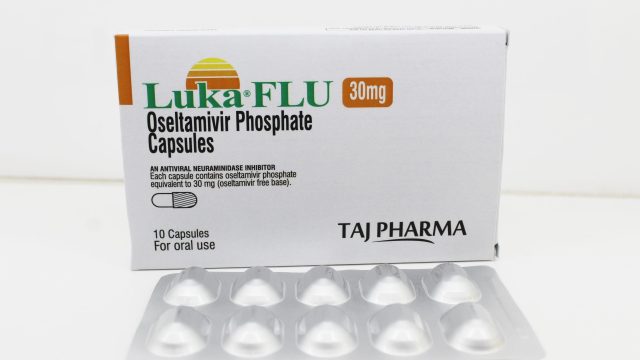
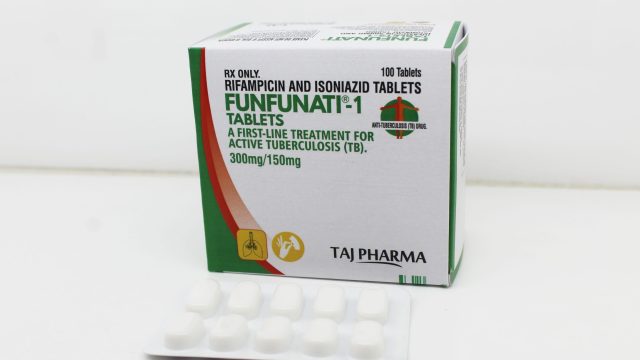
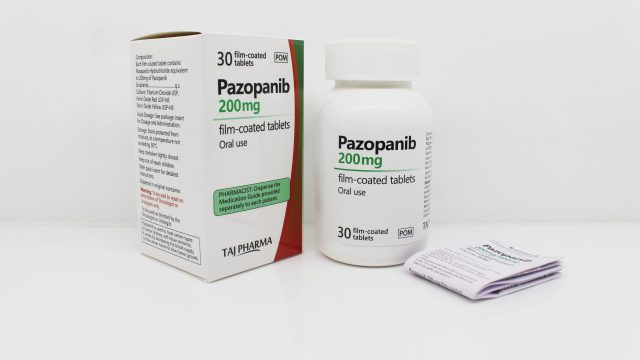
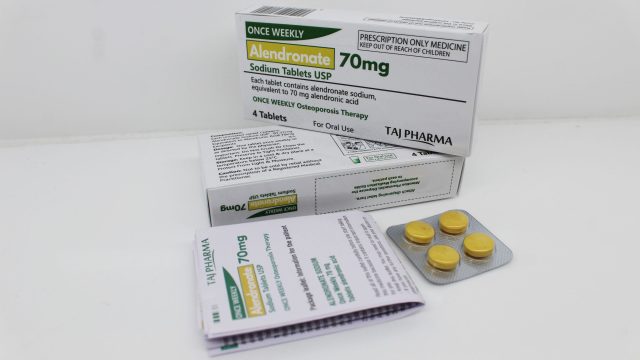
🩺 3. Opportunities for Taj Pharma
By leveraging Pakistan’s manufacturing agility and lower cost base, Taj Pharma can:
- Expand essential medicines supply, particularly vaccines, micronutrient supplements, and maternal-child therapies—especially in underserved conflict zones.
- Build local API facilities through partnerships and tech transfer, reducing reliance on imports.
- Seek WHO pre‑qualification and align with Gulf Cooperation Council (GCC) regulations to enter lucrative markets across MENA.
👩👧 4. Social Impact: Women & Children’s Health
Improved access to high-quality, affordable healthcare products will have direct benefits:
- Reduce maternal & infant mortality by 20–50% through better maternal nutrition, obstetric supplies, and clean childbirth interventions.
- Reinforce vaccination campaigns, aiding catch-up efforts post-COVID to protect against measles, DTP, polio, cholera, etc.
- Combat malnutrition with fortified food products and micronutrient supplements tailored for children and pregnant women.
- Boost health for refugees and displaced populations, aligning with initiatives like UNRWA’s clinics and Caritas International’s humanitarian aid.
📊 5. Strategic Path Forward
Recommendations:
- Scale local production—focus on micronutrients, maternal-child drugs, vaccines, and clean birthing kits.
- Secure global certifications—WHO prequalification, GCC regulatory clearance, and approval from national registration authorities.
- Strengthen partnerships with UN agencies (UNICEF, UNRWA), NGOs (Caritas), and local health ministries for procurement deals.
- Enhance capacity via health-tech investment—digital records, telehealth, mobile clinics, and workforce training (as seen in Jordan) .
The MENA region stands at a critical healthcare crossroads. Despite strides in mortality reduction and immunization, conflict-driven disruption, malnutrition, and supply-chain fragility demand robust pharmaceutical intervention. Taj Pharma—armed with Pakistan’s manufacturing strengths—can play a transformative role: forging resilient supply lines, empowering vulnerable women and children, and contributing to a healthier, more stable future for MENA.
Sources: WHO, UNICEF, Arab Health, UNRWA, Caritas, Pakistan DRAP.
For More Info:
Contact: E-mail: info@tajpharma.com